Sri Lanka stands as a remarkable destination where diverse landscapes and rich cultural heritage invite travellers throughout the year. However, understanding the island's seasonal weather patterns and regional climate variations is essential for crafting an unforgettable journey. Whether you are drawn to sun-kissed beaches, ancient temples, or misty tea plantations, knowing when to visit each part of this beautiful island country ensures that your experience aligns perfectly with your expectations and interests.
Understanding sri lanka's monsoon seasons and regional climate variations
The climate of Sri Lanka is profoundly influenced by two distinct monsoon systems that dictate weather conditions across different regions. These monsoons create a fascinating climatic rhythm that shapes the island's travel seasons. The south-west monsoon typically brings heavy rainfall to the western and southern coastal areas from May to September, while the north-eastern monsoon affects the northern and eastern regions from October to January. This dual monsoon system means that while one part of the island experiences wet weather, another often enjoys dry and sunny conditions. Understanding this pattern is crucial for anyone planning a visit, as it allows travellers to select the ideal time and location based on their preferences.
How the Southwest and Northeast Monsoons Shape Travel Planning
The south-west monsoon is a defining feature of Sri Lanka's climate, delivering substantial rainfall to the western and southern coasts during the months from May to September. During this period, areas around Colombo and the popular South Coast beaches can experience frequent downpours and high humidity levels that range from sixty to ninety percent. In contrast, the north-eastern monsoon affects the eastern and northern regions from October through January, bringing rain to these areas while the west and south enjoy relatively dry weather. This alternating monsoon cycle creates a year-round destination where travellers can always find a region with favourable conditions. Planning your trip around these monsoon patterns allows you to avoid the heaviest rainfall and experience the island under clear skies and comfortable temperatures.
Regional Differences: Why Timing Matters for Coastal and Highland Destinations
Sri Lanka's diverse topography means that weather conditions can vary dramatically from one region to another. Coastal temperatures generally hover between twenty-five and thirty degrees Celsius, offering warm and inviting conditions for beach lovers. Meanwhile, the highlands present a cooler climate with temperatures typically ranging from fifteen to eighteen degrees Celsius, providing a refreshing retreat from the tropical heat. The south-west coast, including areas around Colombo and the South Coast, experiences its best weather from late November to April when the north-eastern monsoon brings dry conditions. Conversely, the East Coast enjoys its peak season from April to September when the south-west monsoon spares these shores. The central and northern sections of the West Coast are less affected by the south-west monsoon, making them suitable for activities such as wind sports even during the wetter months. Recognising these regional differences helps travellers tailor their itinerary to match the optimal weather for each destination.
Optimal Travel Periods for Sri Lanka's West, South, and Cultural Triangle
The western and southern regions of Sri Lanka, along with the renowned Cultural Triangle, offer some of the most sought-after experiences on the island. These areas are home to vibrant cities, pristine beaches, and ancient monuments that draw visitors from around the globe. Identifying the best time to explore these regions ensures that your journey is marked by sunshine, minimal rainfall, and comfortable conditions. The peak season from December to mid-April is widely regarded as the ideal window for visiting these parts of the island, as the weather is generally dry and the temperatures are warm but manageable.
January to March: Peak Season for Colombo, Beaches, and Cultural Sites
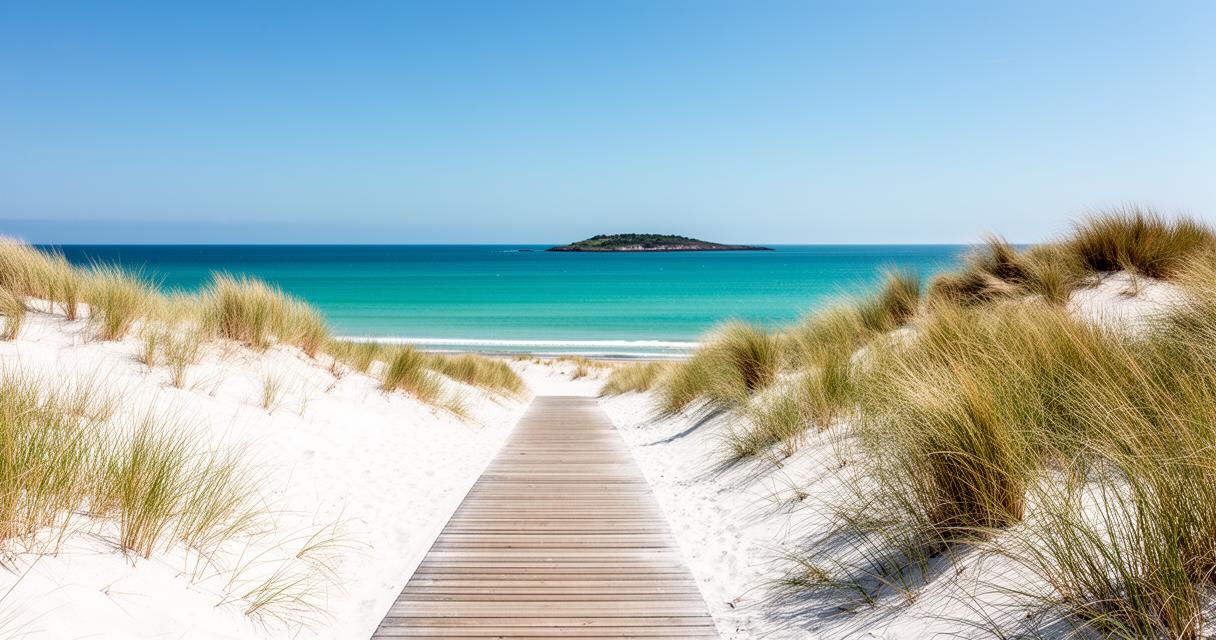
The months from January to March represent the pinnacle of the travel season for Sri Lanka's west and south coasts, as well as the bustling capital of Colombo. During this period, the island experiences its driest and most reliable weather, with clear skies and abundant sunshine making it perfect for beach holidays and outdoor exploration. The South Coast, with its golden sands and turquoise waters, becomes a magnet for sun-seekers, while the West Coast offers lively beach resorts and cultural attractions. Colombo itself thrives during these months, with comfortable temperatures and low humidity creating an inviting atmosphere for urban exploration. However, it is important to note that these peak visitor months can also mean crowded beaches and higher accommodation prices. For those seeking a balance between excellent weather and fewer tourists, the shoulder season just before or after this peak period offers a compelling alternative.
Exploring Kandy and the Cultural Triangle During the Dry Season
The Cultural Triangle, encompassing ancient cities and sacred sites, benefits greatly from the dry weather that prevails from January to February. This region, which includes the historic city of Kandy, is fairly arid throughout much of the year, though it does experience higher rainfall in November and December. Visiting during the dry season allows travellers to explore the intricate temples, impressive ruins, and lush landscapes without the inconvenience of heavy rain. Kandy, nestled in the central highlands, enjoys cooler temperatures compared to the coastal regions, making it a pleasant retreat. The pilgrimage season for Adam's Peak also runs from December to May, drawing both pilgrims and adventurous travellers to this sacred mountain. During this time, the weather is generally favourable for the challenging ascent, and the experience is enriched by the spiritual significance of the pilgrimage. The combination of dry weather, manageable temperatures, and cultural richness makes this period ideal for delving into the heart of Sri Lanka's heritage.
Planning Your Visit to Sri Lanka's North, East, and Hill Country
While the west and south coasts dominate the peak season narrative, the northern and eastern regions of Sri Lanka offer equally captivating experiences during their own optimal travel windows. These areas, along with the enchanting Hill Country, present unique landscapes and cultural treasures that are best enjoyed when the weather is on your side. Understanding the distinct seasonal patterns of these regions allows travellers to explore lesser-known gems and experience the island's diversity to the fullest.
May to September: The Ideal Window for Northern and Eastern Coastal Regions
From May to September, the East Coast emerges as the star destination, offering dry weather and excellent conditions for beach holidays and water activities. During this period, the south-west monsoon brings rain to the western and southern coasts, but the eastern shores remain largely unaffected, basking in sunshine and calm seas. This makes it the perfect time to explore the pristine beaches and coastal towns that line this side of the island. Average coastal temperatures remain warm, typically between twenty-five and thirty degrees Celsius, ensuring comfortable conditions for swimming, snorkelling, and relaxing by the sea. The northern regions also benefit from this weather pattern, making it an opportune time to visit areas that are less frequented by tourists. Travellers who choose to visit during these months can enjoy the island's natural beauty without the crowds that characterise the peak season on the opposite coast. Additionally, the central and northern sections of the West Coast are less impacted by the south-west monsoon, offering opportunities for wind sports and other outdoor pursuits.
Year-Round Charm of Nuwara Eliya and the Central Highlands
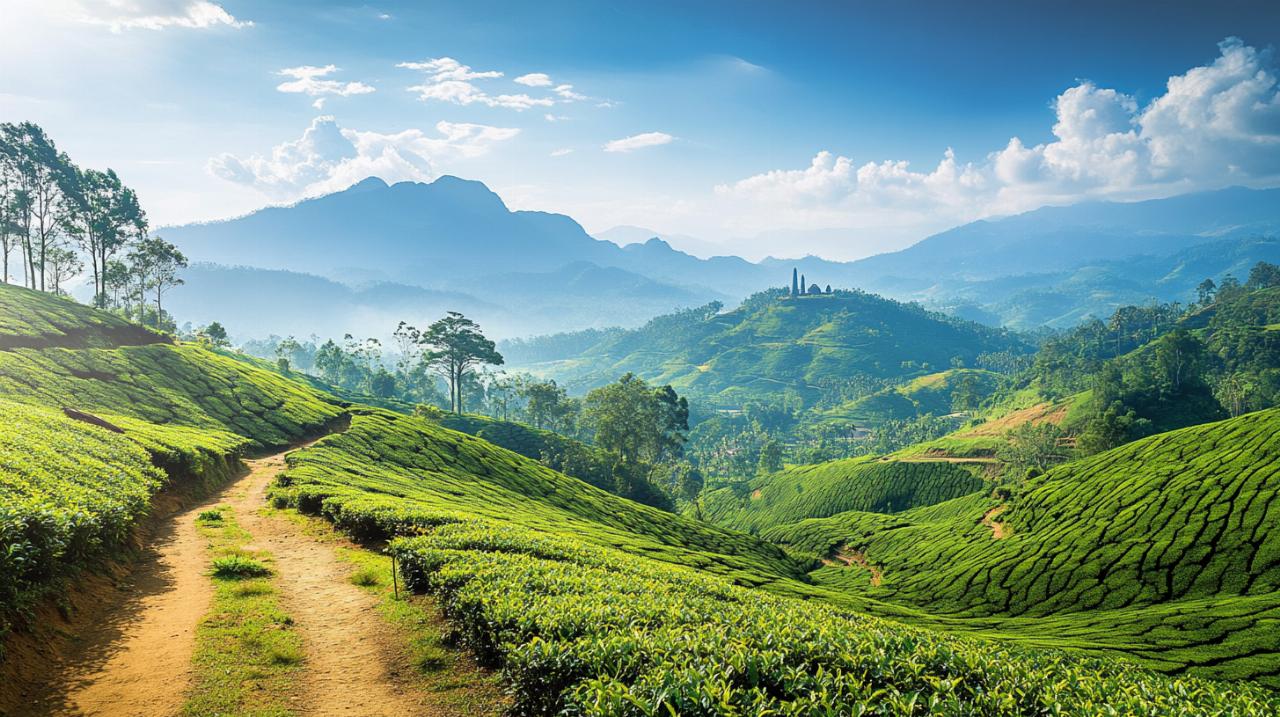
The central highlands, including the famed tea country around Nuwara Eliya, present a different climatic experience that remains appealing throughout the year. With cooler temperatures ranging from fifteen to eighteen degrees Celsius, this region provides a refreshing contrast to the tropical heat of the lowlands. Nuwara Eliya, often referred to as Little England, enjoys a temperate climate that makes it a fantastic retreat regardless of the season. The area is influenced by both monsoon systems, which means that rain can occur at various times of the year, but the cooler temperatures and lush greenery create a unique charm that is undiminished by occasional showers. The tea plantations, rolling hills, and colonial-era architecture offer a picturesque setting that captivates visitors year-round. While the highlands do experience higher rainfall compared to the coastal plains, the rain tends to be short-lived and rarely disrupts travel plans for extended periods. For those seeking a cooler climate and the serene beauty of misty mountains, Nuwara Eliya and the surrounding Tea Country remain inviting destinations no matter when you choose to visit.