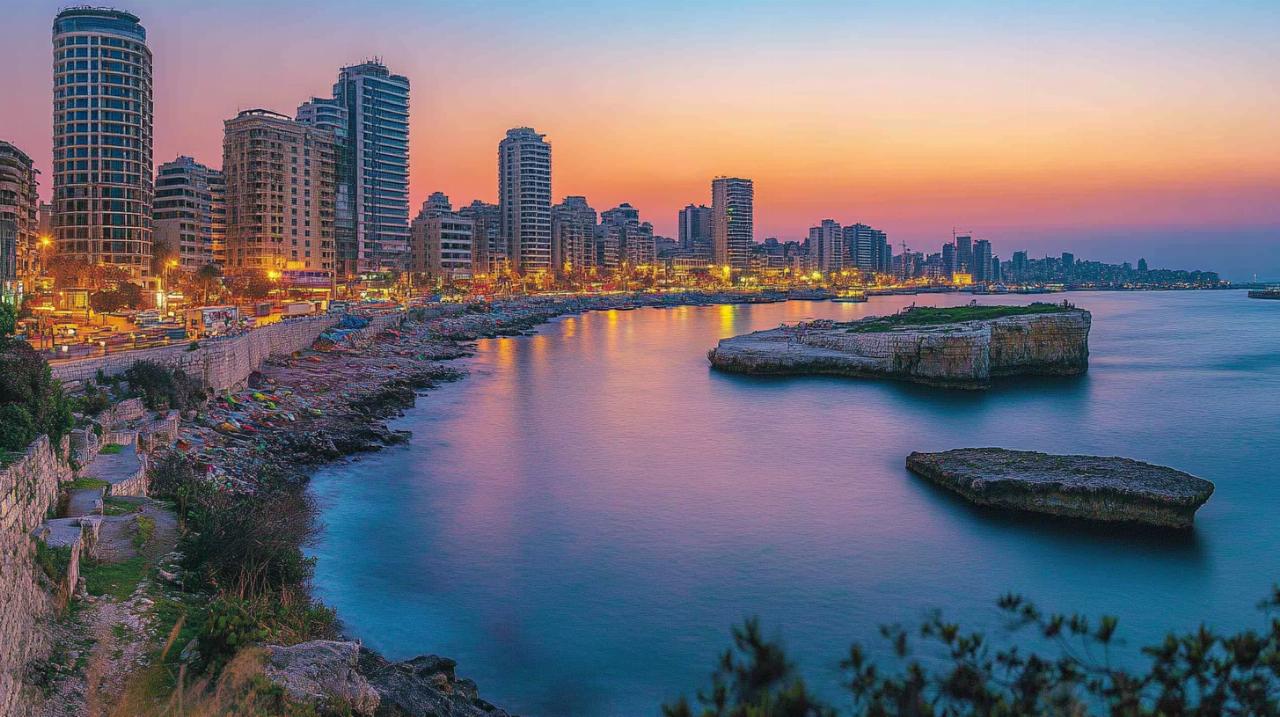
February in Turkey presents a remarkable tapestry of weather conditions, shaped by the nation's diverse geography spanning from sun-kissed Mediterranean shores to rugged mountain ranges blanketed in snow. Travellers venturing to this crossroads of continents during the year's second month will encounter everything from crisp coastal breezes to frosty highland mornings, making it essential to understand the regional variations before packing your bags.
February climate overview: what to expect across turkey
Turkey's vast territory means that February weather varies dramatically depending on where you find yourself. The country stretches across multiple climate zones, each offering distinct characteristics during this winter month. While coastal regions enjoy relatively gentle conditions, inland areas and mountainous terrain experience the full force of winter's grip, with temperatures that can plummet well below freezing.
Regional temperature variations throughout the country
Temperature ranges across Turkey in February demonstrate the country's climatic diversity in striking fashion. Istanbul, perched between two continents, typically sees daytime highs hovering around eight to ten degrees Celsius, though nights can dip to around three to seven degrees. Further south along the Mediterranean coast, Antalya enjoys considerably warmer conditions, with afternoon temperatures reaching a pleasant sixteen to seventeen degrees, whilst evenings cool to between seven and ten degrees. The contrast becomes even more pronounced when looking inland, where Cappadocia's fairy chimneys stand against a backdrop of temperatures ranging from minus four to six degrees. Eastern Turkey, particularly around Erzurum, regularly experiences conditions below minus seven degrees, creating ideal circumstances for winter sports enthusiasts but requiring serious preparation for cold weather.
Understanding turkey's diverse winter weather patterns
The nation's weather patterns in February are influenced by its position between different geographical features, from the Aegean Sea to the towering peaks of Eastern Anatolia. The Aegean region typically experiences temperatures between four and ten degrees with mild precipitation, whilst the Mediterranean enjoys slightly warmer conditions ranging from eight to fifteen degrees alongside moderate rainfall. The Marmara region, encompassing Istanbul and its surroundings, sees temperatures between two and eight degrees with higher precipitation levels. Along the Black Sea coast, temperatures hover between zero and six degrees, accompanied by substantial rainfall, fog, and frequently overcast skies. Central Anatolia presents the harshest conditions, with temperatures plummeting from minus ten to five degrees, though precipitation remains relatively low compared to coastal areas.
Precipitation and Rainfall: How Wet is Turkey in February?
February brings considerable moisture to many parts of Turkey, with rainfall patterns varying significantly between coastal and inland regions. Understanding these precipitation trends helps travellers pack appropriately and plan activities that won't be dampened by unexpected downpours.
Coastal Regions: Rain Patterns Along the Mediterranean and Aegean
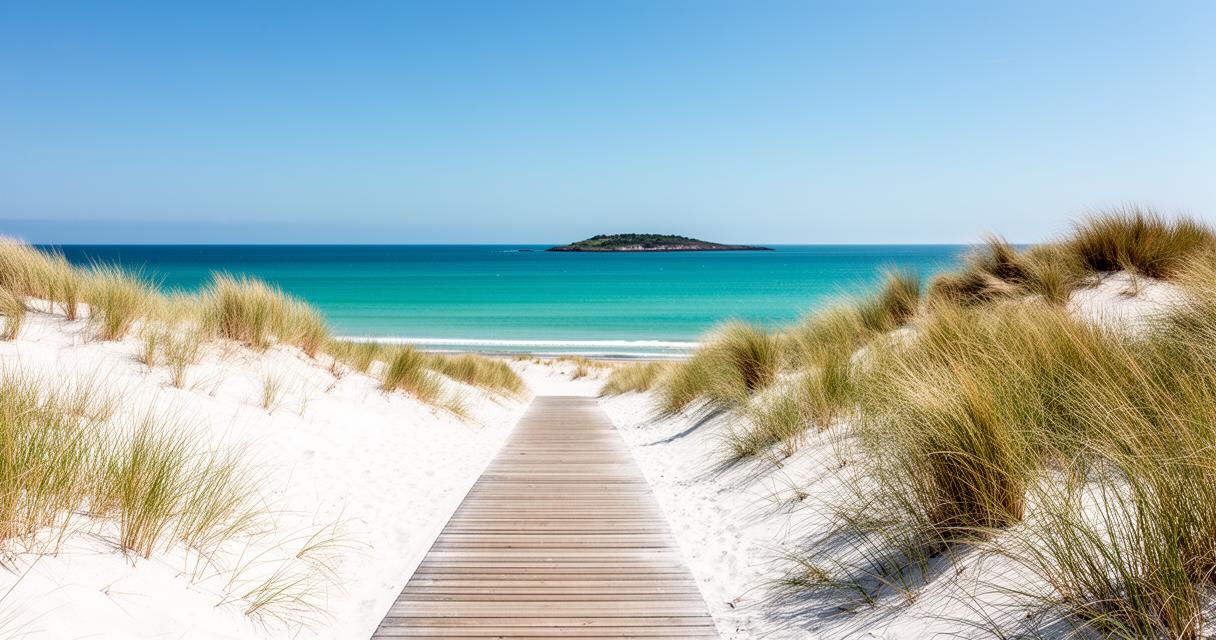
The Mediterranean and Aegean coastlines experience moderate to high rainfall during February, though this is interspersed with sunny intervals that make the weather far from dreary. Antalya and similar coastal destinations see occasional showers that freshen the landscape whilst maintaining generally pleasant daytime conditions. The Aegean region receives mild precipitation that rarely disrupts travel plans significantly, though carrying waterproof outerwear remains advisable. These coastal areas benefit from milder temperatures that prevent precipitation from turning to snow, instead delivering rain that nourishes the region's lush vegetation and keeps the air crisp and clean.
Inland Areas: Rainfall Levels in Central and Eastern Turkey
Moving inland, precipitation patterns shift considerably, with Central Anatolia receiving relatively low rainfall compared to coastal zones. However, what moisture does fall often arrives as snow rather than rain, particularly in elevated areas. The Black Sea region stands out as an exception, receiving high precipitation levels throughout February, frequently manifesting as persistent drizzle or steady rain that contributes to the area's characteristically misty atmosphere. Eastern Turkey sees less frequent precipitation overall, but when it does occur, it invariably takes the form of snow, accumulating steadily throughout the month and creating the deep powder conditions that delight skiers at resorts like Palandöken near Erzurum.
Snow levels and winter conditions across turkish regions
Snow transforms much of Turkey's interior into a winter wonderland during February, with accumulation levels varying dramatically between regions and elevations.
Mountain areas and eastern anatolia: heavy snowfall expectations
Eastern Anatolia and mountainous regions throughout Turkey receive substantial snowfall in February, creating conditions that range from picturesque to challenging depending on your perspective and preparedness. The mountains around Erzurum regularly accumulate significant snow depths, making this area a premier destination for skiing and winter sports. Resorts like Palandöken, Uludağ, and Kartalkaya enjoy peak season conditions during this month, with reliable snow coverage and excellent powder quality. These elevated areas maintain consistently freezing temperatures that preserve snow quality throughout the month, though travellers should be prepared for potentially harsh conditions including strong winds and reduced visibility during storms.
Popular Tourist Destinations: Snow Conditions in Cappadocia and Beyond
Cappadocia transforms into an especially magical destination when February snow blankets its distinctive rock formations and valleys. The region's unique landscape takes on an ethereal quality beneath a white covering, creating extraordinary opportunities for photography and hot-air ballooning when conditions permit. The snow-covered terrain adds an extra dimension to exploring the area's underground cities and rock-hewn churches, though visitors should wear sturdy footwear with good grip to navigate potentially slippery paths. Pamukkale's famous white terraces gain an additional layer of brilliance when dusted with snow, creating a double dose of whiteness that photographs beautifully. Even Istanbul occasionally sees snow in February, though accumulation rarely persists for long in the city centre, transforming familiar landmarks like the Hagia Sophia and Blue Mosque into scenes from a winter postcard. For those interested in exploring ancient sites without the summer crowds, locations like Ephesus become particularly appealing in February, offering the chance to wander amongst Roman ruins in relative solitude, though a warm coat and waterproof jacket remain essential companions. The combination of fewer tourists and lower prices, except at ski resorts, makes February an attractive time for off-season travel, provided you pack appropriate warm layers, hats, scarves, gloves, and always check local forecasts before setting out each day.