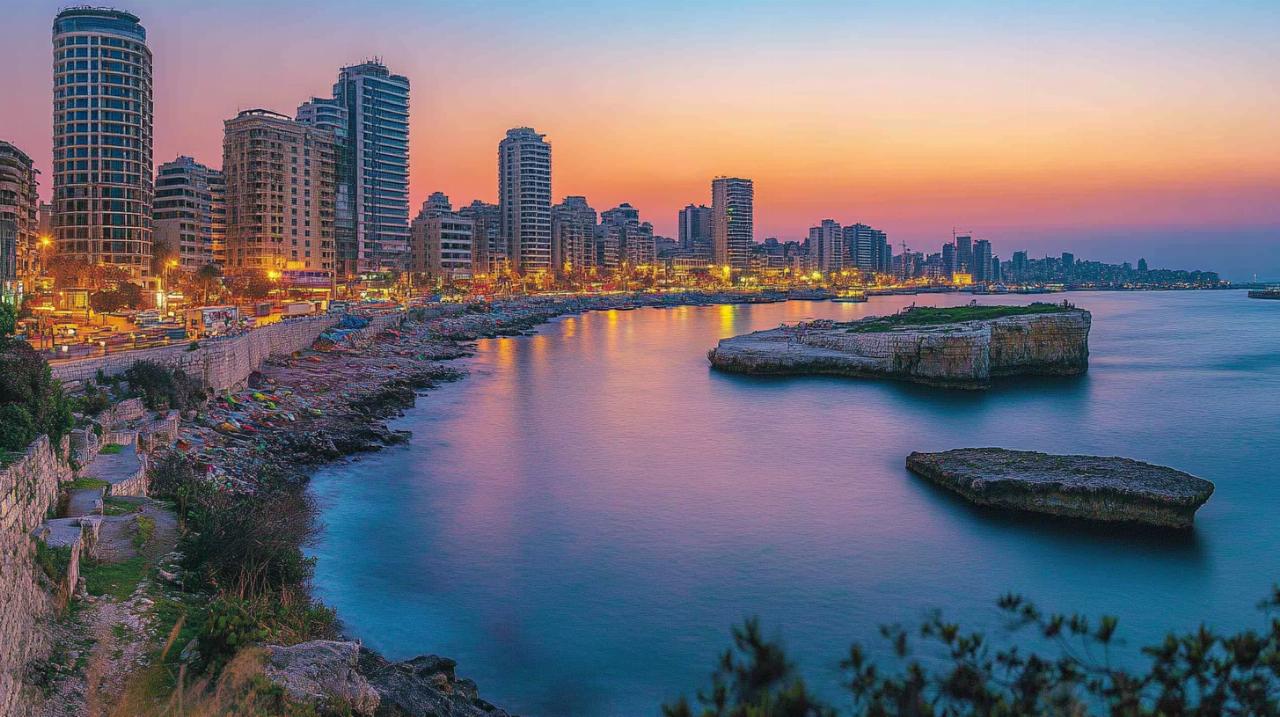
Lebanon stands at a complex crossroads where natural beauty meets significant security challenges, making the question of travel safety more pressing than ever for British citizens and other international visitors. The nation, though rich in history and culture, currently faces a volatile security situation influenced by regional tensions, ongoing conflicts, and domestic instability. Understanding the nuanced reality of travelling to this Middle Eastern country requires careful consideration of official guidance, entry requirements, and practical safety measures. This comprehensive guide navigates through the latest advisories and essential information for anyone contemplating a journey to Lebanon, weighing both the risks and the precautions necessary to make informed decisions about personal safety and travel plans.
Current Safety Situation and Travel Advisory for Lebanon
The security landscape in Lebanon remains deeply unpredictable, shaped by a combination of regional conflicts and internal challenges that pose considerable risks to visitors. The UK Foreign Office has issued stern warnings advising against all travel to many parts of the country, driven primarily by the ongoing conflict involving Israel and Hezbollah. This situation has created a volatile environment where sudden outbreaks of violence remain a constant possibility, affecting not only border regions but also urban centres including parts of the capital itself. The threat of terrorism looms large, with a high risk of incidents that could specifically target UK nationals or international visitors. Notably, terrorist attacks have occurred in recent years, including documented incidents in 2020, 2021, 2022, and 2023, underscoring the persistent nature of this danger.
Latest security assessments and regional tensions affecting travellers
The most pressing concern for travellers stems from the escalating tensions between Israel and Hezbollah, which have resulted in significant restrictions on movement and access across Lebanon. Parts of Beirut, particularly the southern suburbs, are considered especially dangerous due to their proximity to conflict zones and the presence of armed groups. The Middle East airspace has experienced closures that directly affect flights to and from Beirut, leading to widespread flight disruptions and limited evacuation options should the situation deteriorate further. Beyond the threat of large-scale conflict, the risk of terrorist kidnapping remains a genuine concern for British nationals, adding another layer of danger to any travel plans. The unpredictable nature of Lebanon's security situation means that even areas considered relatively safe can become dangerous with little warning, making it difficult for visitors to plan routes or activities with confidence.
Official Guidance from UK and Canadian Authorities on Lebanon Travel
Both UK and Canadian authorities have issued clear and consistent warnings regarding travel to Lebanon, emphasising the serious risks involved. The Foreign Office travel advice explicitly recommends against all travel to numerous regions within the country, reflecting the assessment that the current environment presents unacceptable dangers to British citizens. This guidance is not merely precautionary but based on concrete intelligence and recent events that demonstrate the real potential for harm. Should the situation worsen, consular assistance may become severely limited, leaving travellers without reliable support networks in times of crisis. For those who have already booked package holidays to Lebanon, there is eligibility for full refunds, acknowledging the official recognition that travel to the country is inadvisable under present circumstances. The authorities stress that anyone currently in Lebanon should consider leaving if it is safe to do so, and those planning to travel should reconsider their plans entirely given the volatile security situation and the limited capacity for diplomatic intervention during emergencies.
Essential Entry Formalities and Visa Requirements for Lebanon
Navigating the entry requirements for Lebanon demands attention to specific documentation and legal formalities that govern admission to the country. British passport holders must ensure their travel documents meet certain validity standards, with passports required to have at least three months remaining from the date of arrival. This requirement is non-negotiable and failure to comply can result in denial of entry at the border or airport. Understanding these formalities ahead of time is crucial for avoiding complications that could derail travel plans or result in unexpected delays.
Documentation and Visa Procedures for British Passport Holders
Visitors to Lebanon must obtain a single-entry tourist or family visa to gain legal entry into the country. These visas can be acquired through two primary channels: either by applying at the Lebanese embassy before departure or by obtaining an arrival visa directly upon landing at Beirut's airport. The arrival visa option offers convenience for travellers who prefer to handle documentation upon reaching their destination, though it is wise to confirm the latest procedures as policies can change. The embassy visa route may offer more certainty and allows travellers to resolve any potential issues before embarking on their journey. Regardless of the method chosen, ensuring all documentation is complete and accurate is essential to avoid complications at immigration checkpoints.
Understanding local laws and legal requirements upon arrival
Lebanon enforces strict laws that travellers must respect to avoid serious legal consequences. The possession of illegal drugs carries severe penalties, reflecting the country's stringent stance on narcotics. Visitors should be acutely aware of these regulations and exercise caution in all interactions that might inadvertently involve prohibited substances. Another critical concern involves name checks conducted upon arrival, which can lead to detention if a visitor's name matches someone wanted or convicted in Lebanon. This automated screening process means that even innocent travellers can face delays or legal complications due to unfortunate coincidences in naming. Additionally, children travelling to or within Lebanon may be subject to travel bans imposed by family members, a legal provision that reflects local custody and family law practices. Parents or guardians should seek legal advice if there is any possibility of such restrictions affecting their travel plans. Respecting local customs is equally important, particularly during Ramadan when daytime eating and drinking in public may be frowned upon, and at religious sites where modest dress and respectful behaviour are expected. These cultural and legal considerations form an essential part of preparing for travel to Lebanon and ensuring compliance with local norms.
Practical Safety Measures and Emergency Support in Beirut
For those who decide to travel to Lebanon despite the advisories, implementing robust safety measures becomes paramount to minimising risk and ensuring personal security throughout the visit. The combination of moderate petty and violent crime against tourists, alongside the broader security threats, necessitates a cautious approach to daily activities and movements within the country. Understanding the specific dangers and how to mitigate them can make a significant difference in the overall safety of the trip.
Recommended Precautions and Safe Travel Practices for Tourists
Road travel in Lebanon presents considerable dangers due to poor driving standards and unpredictable traffic conditions. Visitors should exercise extreme caution when using local transportation or driving themselves, remaining vigilant at all times to avoid accidents. Choosing reputable drivers or travel services can reduce some of these risks, though the overall condition of roads and driving culture remains a challenge. Beyond traffic concerns, certain areas of Lebanon contain landmines and unexploded weapons, remnants of past conflicts that pose ongoing threats to anyone venturing into remote or less-travelled regions. Travellers should avoid straying from well-established routes and heed local warnings about dangerous zones. The risk of forest fires, particularly during the summer months, adds another environmental hazard that requires awareness and preparation. Staying informed about weather conditions and fire warnings can help visitors avoid areas of heightened risk. In urban settings, maintaining awareness of surroundings and securing personal belongings can reduce the likelihood of falling victim to petty or violent crime, which poses a moderate but real threat to tourists. Avoiding demonstrations or large gatherings is advisable given the potential for sudden escalations of violence in the current volatile security situation.
Emergency Contacts and Consular Assistance Available to British Citizens
In the event of an emergency, knowing how to access support is critical for British nationals in Lebanon. However, it is important to recognise that consular assistance may be limited, particularly if the security situation deteriorates further. The British Embassy in Beirut provides a point of contact for UK citizens requiring help, though the scope of intervention may be constrained by the challenging environment. Travellers should register their presence with the embassy upon arrival to ensure they can be contacted in case of emergencies or evacuation orders. Keeping emergency contact numbers readily accessible and ensuring mobile devices remain charged and functional can facilitate rapid communication when needed. The GOV.UK website serves as a valuable resource for up-to-date travel advice and emergency information, with essential cookies enabling the website to function properly for users seeking guidance. Additional cookies can be accepted or rejected based on user preferences, allowing for a customised experience while accessing critical information. For those already in Lebanon, maintaining regular contact with family or friends outside the country provides an additional safety net and ensures that someone is aware of their whereabouts and well-being. Understanding the limitations of consular support and taking proactive steps to ensure personal safety remains the responsibility of each traveller, making preparation and awareness indispensable elements of any visit to Lebanon under current circumstances.