Nestled at the heart of the French Alps, Grenoble stands as a captivating destination where natural splendour meets historical richness. This vibrant city in the Isère region has long been celebrated for its stunning alpine vistas, cultural depth, and an impressive array of activities that cater to both adventurers and history enthusiasts. From ancient fortresses perched high above the valley to serene parks and powerful wartime memorials, Grenoble and its surroundings invite travellers to discover a landscape where faith, heritage, and natural beauty intertwine seamlessly.
- Grenoble is a culturally rich city in the French Alps that seamlessly blends natural beauty with historical and religious heritage.
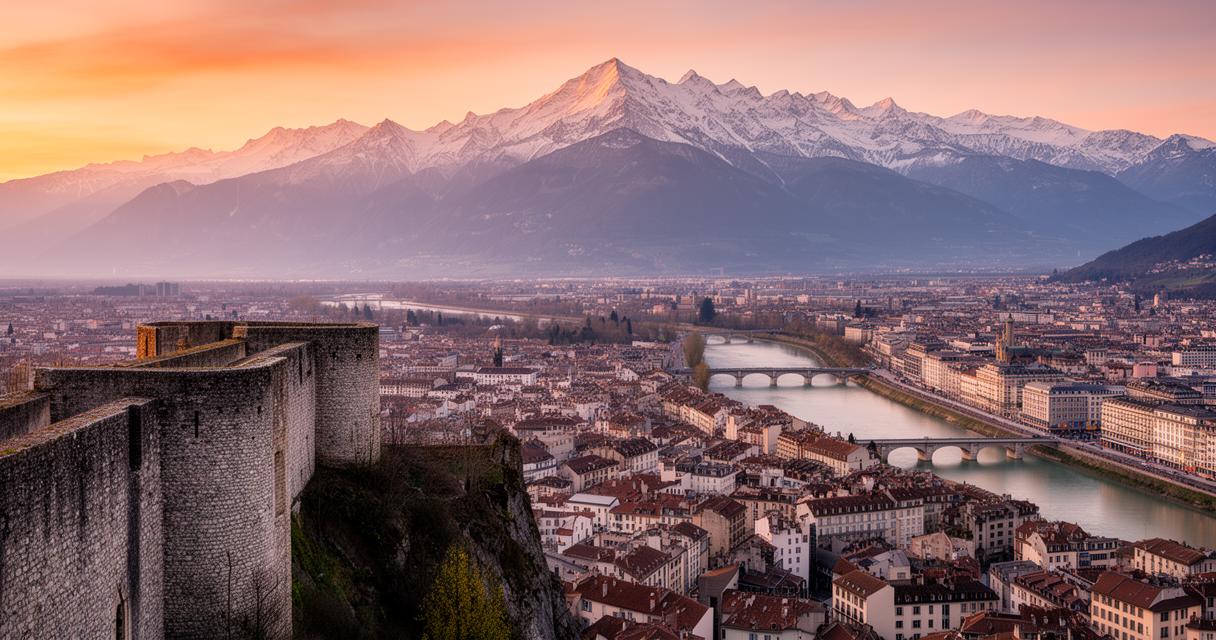
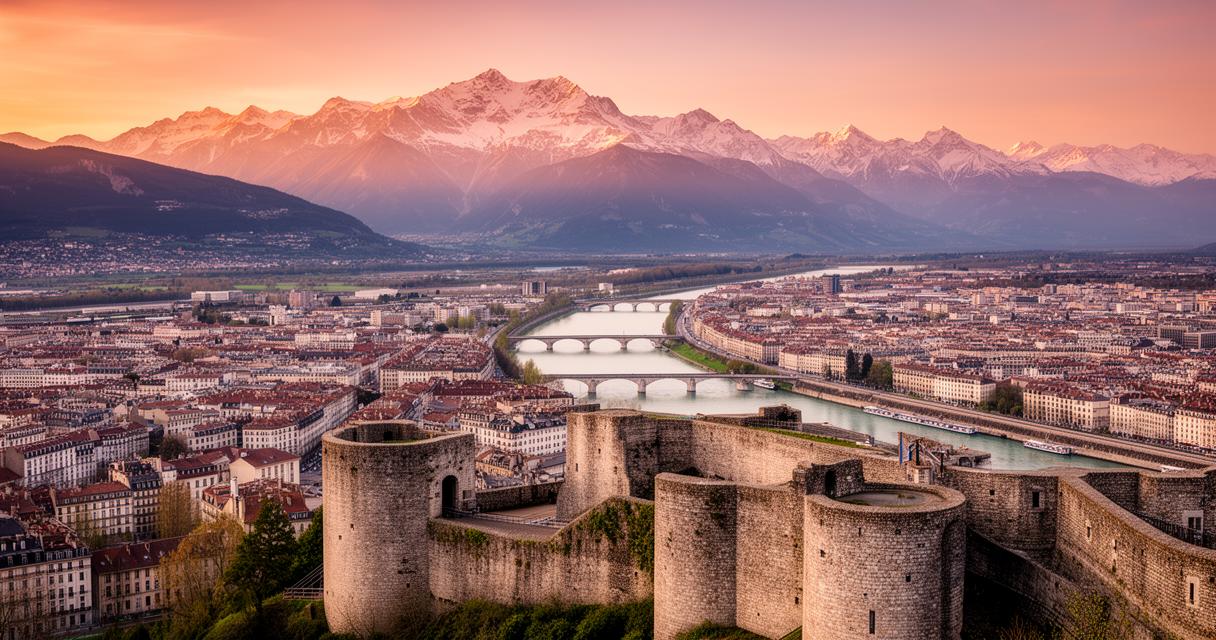
- The Bastille Fortress serves as an iconic landmark, offering visitors panoramic alpine views via a scenic cable car ride.
- The Cathedral of Notre-Dame acts as a symbol of the city's long-standing spiritual history and architectural evolution.
- Place Victor Hugo serves as a central civic hub where the city's historical architecture meets the vibrant, contemporary life of the local community.
- The Museum of Grenoble houses an extensive collection of art and historical artifacts that span several centuries to highlight regional identity.
- The city honors its wartime past through well-maintained memorials that commemorate the courage and sacrifice of resistance troops during World War II.
Grenoble's iconic landmarks and historical treasures
The city of Grenoble is home to a wealth of iconic landmarks that speak volumes about its storied past and architectural grandeur. Among these, the imposing Bastille Fortress commands attention, offering visitors not only a glimpse into military history but also a breathtaking panorama that captures the essence of the surrounding Alps. Equally compelling are the sacred and civic spaces that dot the urban landscape, each narrating tales of devotion, resilience, and communal life that have shaped Grenoble over the centuries.
The bastille fortress: panoramic views above the city
Perched majestically above Grenoble, the Bastille Fortress is an essential stop for anyone seeking to appreciate the city from an elevated vantage point. This historic stronghold, which has guarded the valley for generations, can be reached by a scenic cable car ride that glides smoothly over rooftops and tree-lined streets. The ascent itself is an experience, as the gondola affords passengers a gradually expanding view of the urban fabric below, framed by the dramatic peaks of the Alps. Upon arrival, visitors are greeted by panoramic vistas that stretch across the Isère valley, revealing the city's intricate layout and the natural beauty that envelops it. The fortress grounds invite leisurely exploration, with pathways winding through stone walls and terraces that once served strategic military purposes. Today, these spaces provide a tranquil retreat where one can pause to absorb the harmonious blend of human ingenuity and natural wonder, making the Bastille a symbol of Grenoble's enduring spirit and its deep connection to the mountains.
Cathedral of Notre-Dame and Place Victor Hugo: Ancient Architecture Worth Exploring
Within the heart of the city, the Cathedral of Notre-Dame stands as a testament to centuries of religious devotion and architectural evolution. Its ancient stonework and solemn interior create an atmosphere of reverence and quiet contemplation, offering visitors a chance to connect with the spiritual heritage that has sustained the local community through ages of change. The cathedral's design reflects the styles and aspirations of different eras, with each element contributing to a sense of timelessness that resonates powerfully in today's fast-paced world. Just a short stroll away, Place Victor Hugo serves as a vibrant civic space where history and daily life converge. This square, surrounded by elegant buildings and bustling cafés, has long been a focal point for gatherings, celebrations, and public discourse. Its open expanse invites both reflection and engagement, allowing visitors to appreciate the layers of history embedded in the urban fabric while observing the rhythms of contemporary Grenoblois life. Together, the cathedral and the square embody the city's commitment to preserving its architectural legacy while remaining a living, breathing community.
Cultural immersion: museums and local heritage
Grenoble's cultural landscape is as rich and varied as its natural surroundings, with museums and memorial sites providing deep insights into the art, history, and collective memory of the region. These institutions serve not merely as repositories of artefacts but as dynamic spaces where stories of creativity, courage, and community are brought vividly to life. A visit to the city's cultural venues reveals the profound ways in which the past continues to inform present-day identity and inspires future generations.
Museum of Grenoble: Art and History Spanning Centuries
The Museum of Grenoble is a cornerstone of the city's cultural offerings, renowned for its extensive collections that span centuries of artistic and historical achievement. Within its thoughtfully curated galleries, visitors encounter works ranging from classical masterpieces to contemporary expressions, each piece contributing to a broader narrative about human creativity and cultural evolution. The museum's approach to display emphasises context and connection, encouraging guests to see art not as isolated objects but as reflections of the societies and moments that produced them. This commitment to storytelling through visual culture makes the museum an essential destination for anyone eager to understand the layers of history that define Grenoble and the wider region. Beyond its permanent collections, the museum regularly hosts temporary exhibitions and educational programmes, ensuring that it remains a vibrant hub of intellectual and artistic exchange. The experience of wandering through these halls is one of discovery and inspiration, as the interplay of colour, form, and narrative invites contemplation and conversation.
Tributes to resistance troops: remembering wartime heroism
Among the most poignant aspects of Grenoble's heritage are the memorials and tributes dedicated to the resistance troops who fought valiantly during World War II. These sites commemorate the courage and sacrifice of individuals who stood against occupation and tyranny, often at great personal cost. The city's commitment to preserving this memory is evident in the careful maintenance of monuments and the inclusion of interpretive materials that provide context and depth to the stories of wartime heroism. Visitors walking through these commemorative spaces are confronted with the stark realities of conflict and the extraordinary resilience of the human spirit. The tributes serve not only as reminders of past struggles but also as enduring calls to uphold the values of freedom, justice, and solidarity. In a city that has witnessed both triumph and tragedy, these memorials stand as powerful testaments to the enduring importance of remembering and honouring those who gave so much in defence of liberty and human dignity.
Outdoor adventures and natural wonders around grenoble
Beyond its urban and cultural attractions, Grenoble is a gateway to some of the most spectacular natural landscapes in the French Alps. The surrounding region offers a wealth of outdoor activities that cater to both thrill-seekers and those in search of serene natural beauty. From world-renowned ski resorts to rugged canyons and tranquil parks, the area around Grenoble provides endless opportunities for adventure and exploration, all set against a backdrop of towering peaks and pristine wilderness.
Skiing in Alpe d'Huez and Winter Activities in the Alps
When winter blankets the Alps in snow, the resort of Alpe d'Huez becomes a magnet for skiers and snowboarders from around the world. This renowned destination is celebrated not only for its extensive slopes and modern facilities but also for the quality of its snow and the variety of runs that accommodate all skill levels. Whether one is a seasoned expert seeking challenging descents or a beginner eager to learn, Alpe d'Huez offers an experience that combines sporting excellence with stunning alpine scenery. The resort's atmosphere is one of exhilaration and camaraderie, as visitors share in the joy of gliding down pristine slopes beneath clear blue skies. Beyond skiing, the winter season in the Alps invites a host of other activities, from snowshoeing through quiet forests to enjoying après-ski gatherings in cosy mountain lodges. The proximity of Alpe d'Huez to Grenoble makes it an accessible and highly rewarding escape for those looking to embrace the full spectrum of alpine winter pursuits, all while remaining connected to the cultural and historical richness of the city.
Canyoning in Vercors and Exploring Natural Parks and Waterfalls
For those drawn to the thrill of adventure and the allure of untamed nature, the Vercors region offers an unforgettable experience through the sport of canyoning. This exhilarating activity involves navigating the rugged terrain of gorges and watercourses, combining elements of climbing, swimming, and abseiling in a landscape shaped by millennia of geological forces. The Vercors massif, with its dramatic cliffs and hidden ravines, provides an ideal setting for such pursuits, allowing participants to engage intimately with the raw power and beauty of the natural world. Beyond the adrenaline rush of canyoning, the region surrounding Grenoble is dotted with natural parks and cascading waterfalls that invite quieter, more contemplative exploration. These green spaces offer walking paths that meander through forests and meadows, where the sound of rushing water and birdsong creates a symphony of serenity. The waterfalls, in particular, are highlights that reward visitors with stunning displays of nature's artistry, as water plunges over rocky outcrops into crystal-clear pools below. Whether seeking the thrill of adventure or the peace of a leisurely ramble, the natural wonders around Grenoble provide a perfect counterpoint to the city's cultural and historical attractions, completing a visit that is as diverse as it is memorable.